
History of Lympne
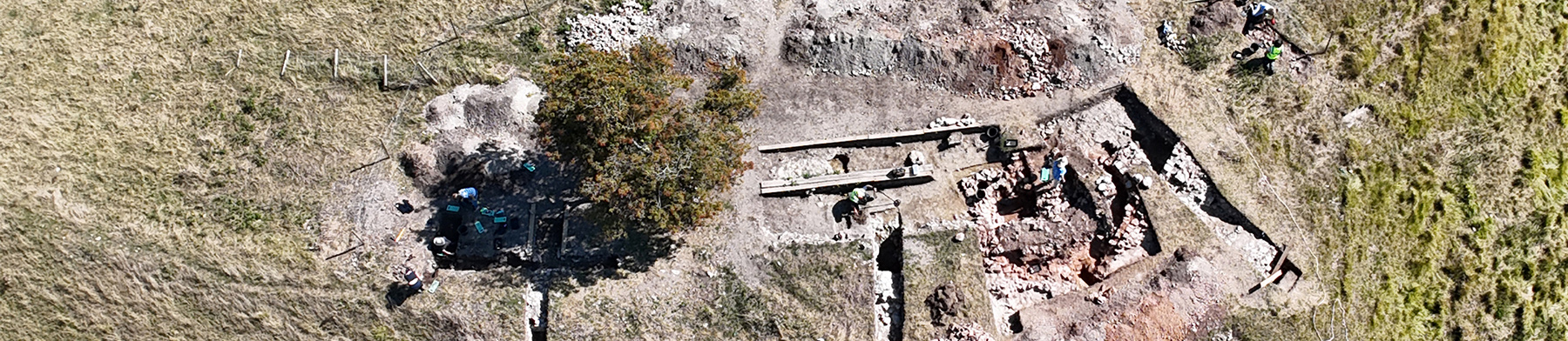
Although evidence of earlier settlement has been found, including a flint axe head and a pre-Roman coin of the Cantiaci tribe; recorded history of Lympne starts with the Romans. In that time what is now the Romney Marsh was a huge sheltered lagoon and natural harbour, which the Romans named PortusLemanis. Lympne has been suggested as being one of the potential landing sites for the Claudian invasion of 43AD, together with Richborough and Dover. There are remains of a Roman third century Saxon Shore fort known as Stutfall Castle; now on private land. Following the Norman invasion in 1066, Archbishop Lanfranc built a fortified Manor House, known as Lympne Castle, with extensive views over Romney Marsh to the sea and France. In WW2 a look-out tower was added. Next to the castle is an eleventh century Norman church and graveyard; this contains the grave of the founder of the women’s police force.
Other historic sites in the parish include a section of the Royal Military canal, built between 1804 and 1809 as a defence against invasion by Napoleon. The Shepway Cross was erected on the site of the meeting of the Court of Shepway [Cinque Ports]. Lympne airfield was one of the country’s most prominent airfields dating from 1916. There can also be found ruins of the medieval St. Mary’s church in West Hythe and the chapel of the Holy Maid of Kent in Court-at-Street.
SHAL’s historical activity includes transcribing of the 1841 census from the handwritten documents; mapping the church grave yard and annotating the 1841 tithe map with field names and numbers to identify land use, owners and tenants. SHAL was also involved in restoring the Shepway Cross for rededication in 2018.