
Elizabeth Barton (1506- 1534), the ‘Holy Maid of Kent’
Elizabeth Barton was born at Aldington in Kent in 1506. She worked as a servant in the house hold of a local farmer, Thomas Cobb, whose home is still known as Cobbs Hall. At the age of 19, she began to claim to have seen visions and experienced divine revelations; this coincided with a period of illness during which she suffered seizures, instances of paralysis and difficulty with eating and drinking.
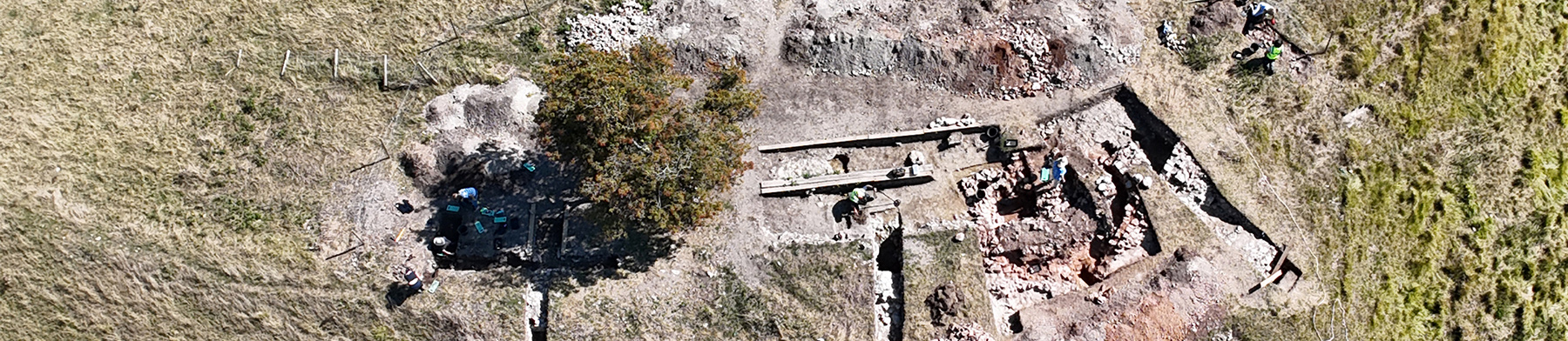
Barton was received into the Benedictine St Sepulchre’s Priory, Canterbury after Archbishop William Warham had set up a commission to ascertain that her prophecies were not at variance with Catholic teaching. The commission was led by Edward Bocking, a monk of the Priory, who became Barton’s spiritual advisor.Her life became increasingly public. Her alleged public healing carried out from the Virgin Mary Chapel, formerly a hermit chapel at Court-at-Street brought fame to her and to the Marian Shrine. The chapel was expanded to accommodate the growing number of pilgrims visiting the site of the supposed miracles.
1528, Barton met Cardinal Thomas Wolsey, the second most powerful man in England after Henry VIII, and thereafter met twice with Henry himself. Henry initially accepted Barton because her prophecies warned against heresy and rebellion at a time when Henry was attempting to stamp out Lutheranism and possible uprising
By 1534, Barton’s prophecies were less in tune with the interests of Henry VIII, becoming more about political affairs of both state and religion. When the King sought to annul his marriage to Catherine of Aragon and to seize control of the Church in England from Rome, Barton opposed him. Barton strongly opposed the Reformation and began prophesying that if Henry married Anne Boleyn he would die within a few months. Remarkably, probably because of her popularity, Barton went unpunished for nearly a year. Powerful supporters such as Thomas More distanced themselves from her, Wolsey and Warham having died previously.
Barton was arrested by the Crown in 1533 and forced to confess that she had fabricated her revelations.She was charged with treason on the basis that she had maliciously opposed Henry VIII’s divorce and had prophesied that the king would lose his kingdom. Barton had also asserted that God had revealed to her that he no longer recognized Henry VIII’s monarchy. It was argued that Barton was at the centre of a conspiracy against the King.
On 20 April 1534 Elizabeth Barton was hanged at Tyburn for treason. She was 28 years old. Five of her chief supporters were executed alongside her including the Benedictine Edward Bocking. Her head was put on a spike on London Bridge; the only woman ever to have this dishonour.